As generative AI (genAI) rapidly enters classrooms, accompanied by district-level policy rollouts and industry-led teacher trainings, it is important to rethink the canonical ``adopt and train'' playbook. Decades of educational technology research show that tools promising personalization and access often deepen inequities due to uneven resources, training, and institutional support. Against this backdrop, we conducted semi-structured interviews with 22 teachers from a large U.S. school district that was an early adopter of genAI. Our findings reveal the motivations driving adoption, the factors underlying resistance, and the boundaries teachers negotiate to align genAI use with their values. We further contribute by unpacking the sociotechnical dynamics -- including district policies, professional norms, and relational commitments -- that shape how teachers navigate the promises and risks of these tools.
Cheap Expertise: Mapping and Challenging Industry Perspectives in the Expert Data Gig Economy
Demand for expert-annotated data on the part of leading AI labs has created an expert gig economy with the potential to reshape white collar work and society's understanding of expertise. In this research, we study the vision for the future of expertise described in the public communication of five industry data annotation organizations and their CEOs, as reflected on social media feeds and public appearances on podcasts. We find that the industry envisions AI expertise as cheap, meaning that it can offer a better return on investment than human expertise. Human expertise, meanwhile, is viewed as an extractable resource, the value of which can be judged relative to AI expertise. Finally, institutional expertise (such as that created or possessed by universities and corporations) is viewed as in need of liberation or reform, such that it can be incorporated into the latest artificial intelligence systems. Our findings have implications for human experts, whose professional lives may be transformed and revalued by this industry, as well as for societal institutions that mediate expertise. We close this work with a series of provocations intended to elicit consideration of how society can best approach an AI-driven expert gig economy and the cheap expertise it intends to produce.
How Designers Envision Value-Oriented AI Concepts with Generative AI
Pitch Sinlapanuntakul,
Aayushi Dangol,
Xiaoyi Xue,
Mark Zachry
As AI integrates into design practice, designers increasingly use generative AI tools to envision AI-enabled solutions, positioning AI as both design tool and design material. This dual role creates recursive value tensions distinct from traditional design work. We engaged 18 designers in a concept envisioning activity and interviews to understand how they navigate values and recognize potential harms in this context. Our analysis reveals that (i) designers engage in reciprocal reflection-in-action with AI; (ii) this process surfaces multi-level value tensions across tool, designer, and concept; (iii) designers demonstrate greater attunement to harm recognition as a primary design signal than to articulating positive value fulfillment; and (iv) designers exercise anticipatory judgment through meta-design reasoning about how tool assumptions risk propagating into designed concepts and future use contexts. We extend Schon's reflection-in-action framework and discuss implications for redesigning AI-mediated design tools, supporting harm-centered reasoning, and positioning design as foundational to AI development.
Toys that listen, talk, and play: Understanding Children's Sensemaking and Interactions with AI Toys
Generative AI (genAI) is increasingly being integrated into children's everyday lives, not only through screens but also through so-called "screen-free" AI toys. These toys can simulate emotions, personalize responses, and recall prior interactions, creating the illusion of an ongoing social connection. Such capabilities raise important questions about how children understand boundaries, agency, and relationships when interacting with AI toys. To investigate this, we conducted two participatory design sessions with eight children ages 6-11 where they engaged with three different AI toys, shifting between play, experimentation, and reflection. Our findings reveal that children approached AI toys with genuine curiosity, profiling them as social beings. However, frequent interaction breakdowns and mismatches between apparent intelligence and toy-like form disrupted expectations around play and led to adversarial play. We conclude with implications and design provocations to navigate children's encounters with AI toys in more transparent, developmentally appropriate, and responsible ways.
Where Does AI Leave a Footprint? Children's Reasoning About AI's Environmental Costs
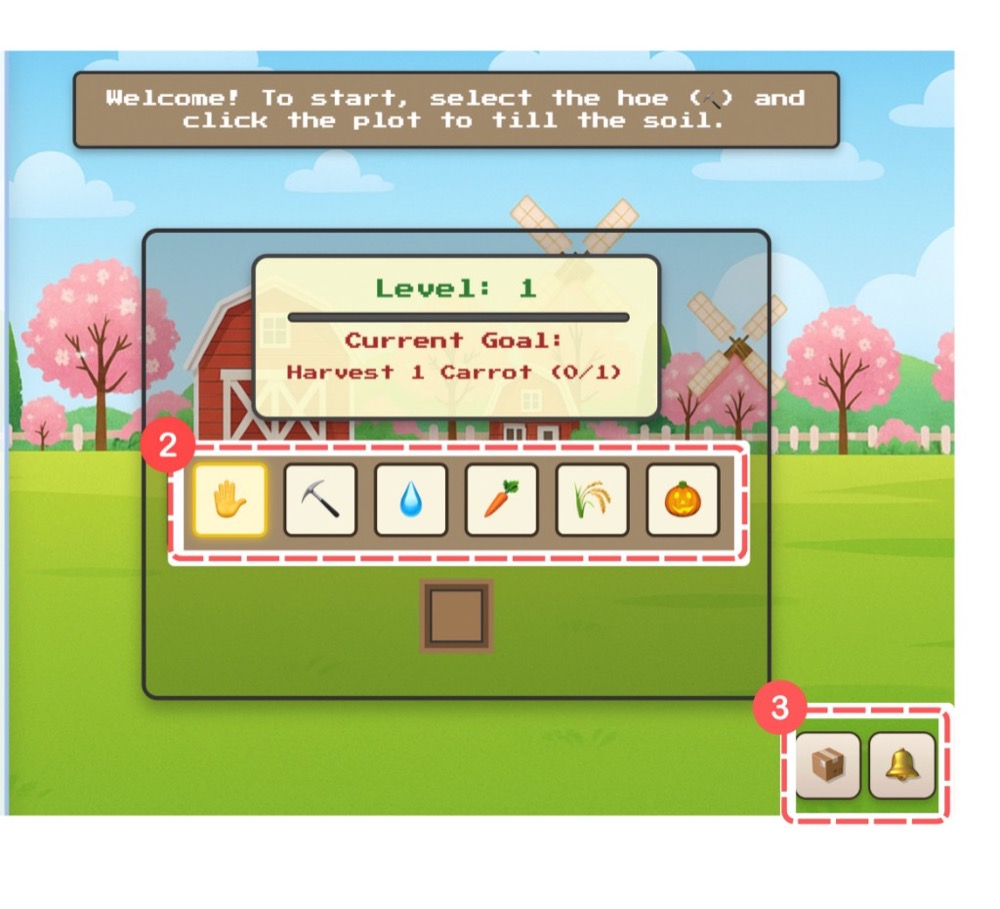
Two of the most socially consequential issues facing today's children are the rise of artificial intelligence (AI) and the rapid changes to the earth's climate. Both issues are complex and contested, and they are linked through the notable environmental costs of AI use. Using a systems thinking framework, we developed an interactive system called Ecoprompt to help children reason about the environmental impact of AI. EcoPrompt combines a prompt-level environmental footprint calculator with a simulation game that challenges players to reason about the impact of AI use on natural resources that the player manages. We evaluated the system through two participatory design sessions with 16 children ages 6-12. Our findings surfaced children's perspectives on societal and environmental tradeoffs of AI use, as well as their sense of agency and responsibility. Taken together, these findings suggest opportunities for broadening AI literacy to include systems-level reasoning about AI's environmental impact.
Parent Perspectives on Future Designs of AAC for Children with Speech and Language Difficulties
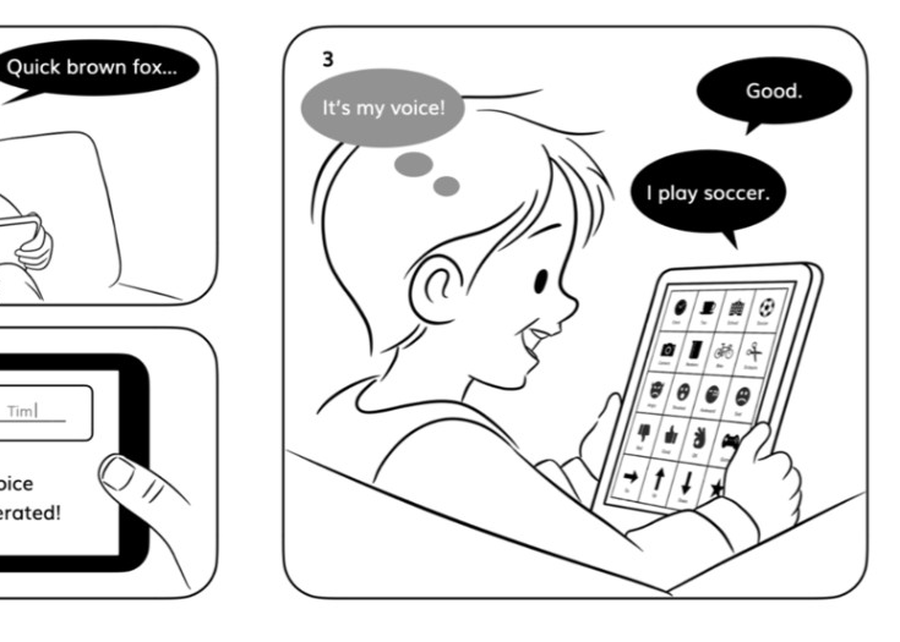
This paper explores parent perspectives on future designs of augmentative and alternative communication (AAC) technologies for children with speech and language difficulties.
Milfoil Milly: Supporting Youth Maker Identity Development Through Sustainability-Focused Co-Design
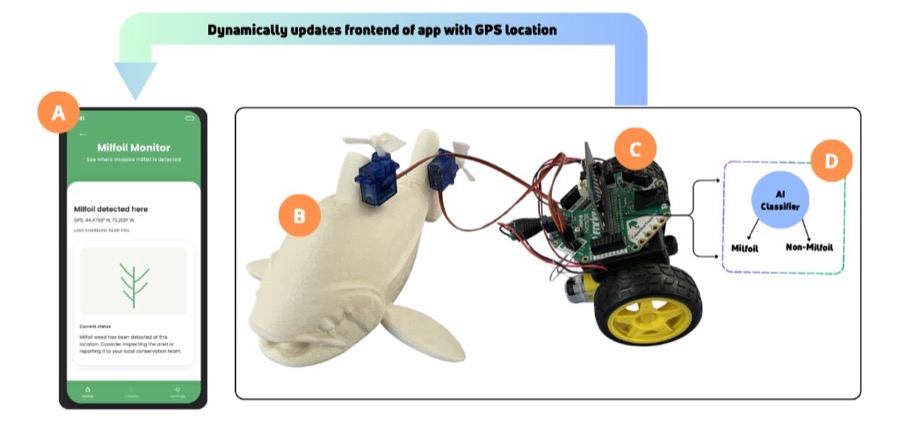
Milfoil Milly supports youth maker identity development through sustainability-focused co-design, connecting making practices with environmental stewardship.
Frameworks in the Field: Considering Real Life Tensions When Designing AI for Children's Well-being
This paper considers real-life tensions when designing AI for children's well-being, drawing on frameworks used in the field and reflections from practitioners and researchers.
Impact Stack: Supporting Youth Reasoning About Environmental Impact Through a Card Game
Impact Stack is a card game that supports youth in reasoning about environmental impact, fostering systems thinking about sustainability and technology.
Sustainable Care: Designing Technologies That Support Children's Long-Term Engagement with Social Issues
Children today encounter social issues -- climate change, conflict, inequality -- through digital technologies, and the design of that encounter shapes whether young people move toward lasting civic engagement or toward anxiety and withdrawal. Much of the content children see is optimized for attention through fear and urgency, with few pathways toward meaningful action -- contributing to rising distress and disengagement among young people who care deeply but feel powerless to act. This full-day workshop introduces ``sustainable care'' as a design lens, asking how technology might support children's sustained engagement with social causes without contributing to empathic distress or burnout. We invite researchers and practitioners across child-computer interaction, games, education, and youth mental health to map this landscape together and develop a research agenda for the CCI community.
Growing Up with AI: Approaches to Community-centered AI Literacy
E. Yadollahi,
Z. Bai,
S. Chandra,
Aayushi Dangol,
I. Neto,
S. Suneesh
This workshop explores approaches to community-centered AI literacy, bringing together researchers and practitioners to discuss how children and communities grow up with AI.
2025
Understanding Privacy Norms Around LLM-Based Chatbots: A Contextual Integrity Perspective
LLM-driven chatbots like ChatGPT have created large volumes of conversational data, but little is known about how user privacy expectations are evolving with this technology. We conduct a survey experiment with 300 US ChatGPT users to understand emerging privacy norms for sharing chatbot data. Our findings reveal a stark disconnect between user concerns and behavior: 82% of respondents rated chatbot conversations as sensitive or highly sensitive - more than email or social media posts - but nearly half reported discussing health topics and over one-third discussed personal finances with ChatGPT. Participants expressed strong privacy concerns (t(299) = 8.5, p < .01) and doubted their conversations would remain private (t(299) = -6.9, p < .01). Despite this, respondents uniformly rejected sharing personal data (search history, emails, device access) for improved services, even in exchange for premium features worth $200. To identify which factors influence appropriate chatbot data sharing, we presented participants with factorial vignettes manipulating seven contextual factors. Linear mixed models revealed that only the transmission factors such as informed consent, data anonymization, or the removal of personally identifiable information, significantly affected perceptions of appropriateness and concern for data access. Surprisingly, contextual factors including the recipient of the data (hospital vs. tech company), purpose (research vs. advertising), type of content, and geographic location did not show significant effects. Our results suggest that users apply consistent baseline privacy expectations to chatbot data, prioritizing procedural safeguards over recipient trustworthiness. This has important implications for emerging agentic AI systems that assume user willingness to integrate personal data across platforms.
Toward Needs-Conscious Design: Co-Designing a Human-Centered Framework for AI-Mediated Communication
We introduce Needs-Conscious Design, a human-centered framework for AI-mediated communication that builds on the principles of Nonviolent Communication (NVC). We conducted an interview study with N=14 certified NVC trainers and a diary study and co-design with N=13 lay users of online communication technologies to understand how NVC might inform design that centers human relationships. We define three pillars of Needs-Conscious Design: Intentionality, Presence, and Receptiveness to Needs. Drawing on participant co-designs, we provide design concepts and illustrative examples for each of these pillars. We further describe a problematic emergent property of AI-mediated communication identified by participants, which we call Empathy Fog, and which is characterized by uncertainty over how much empathy, attention, and effort a user has actually invested via an AI-facilitated online interaction. Finally, because even well-intentioned designs may alter user behavior and process emotional data, we provide guiding questions for consentful Needs-Conscious Design, applying an affirmative consent framework used in social media contexts. Needs-Conscious Design offers a foundation for leveraging AI to facilitate human connection, rather than replacing or obscuring it.
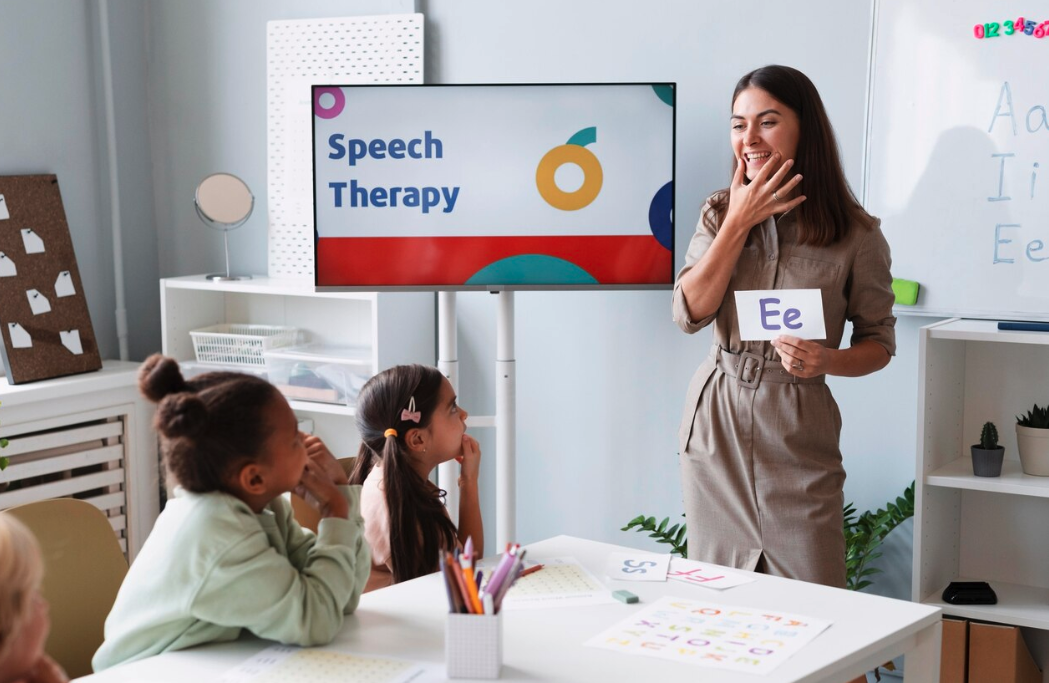
I want to think like an SLP: A Design Exploration of AI-Supported HomePractice in Speech Therapy
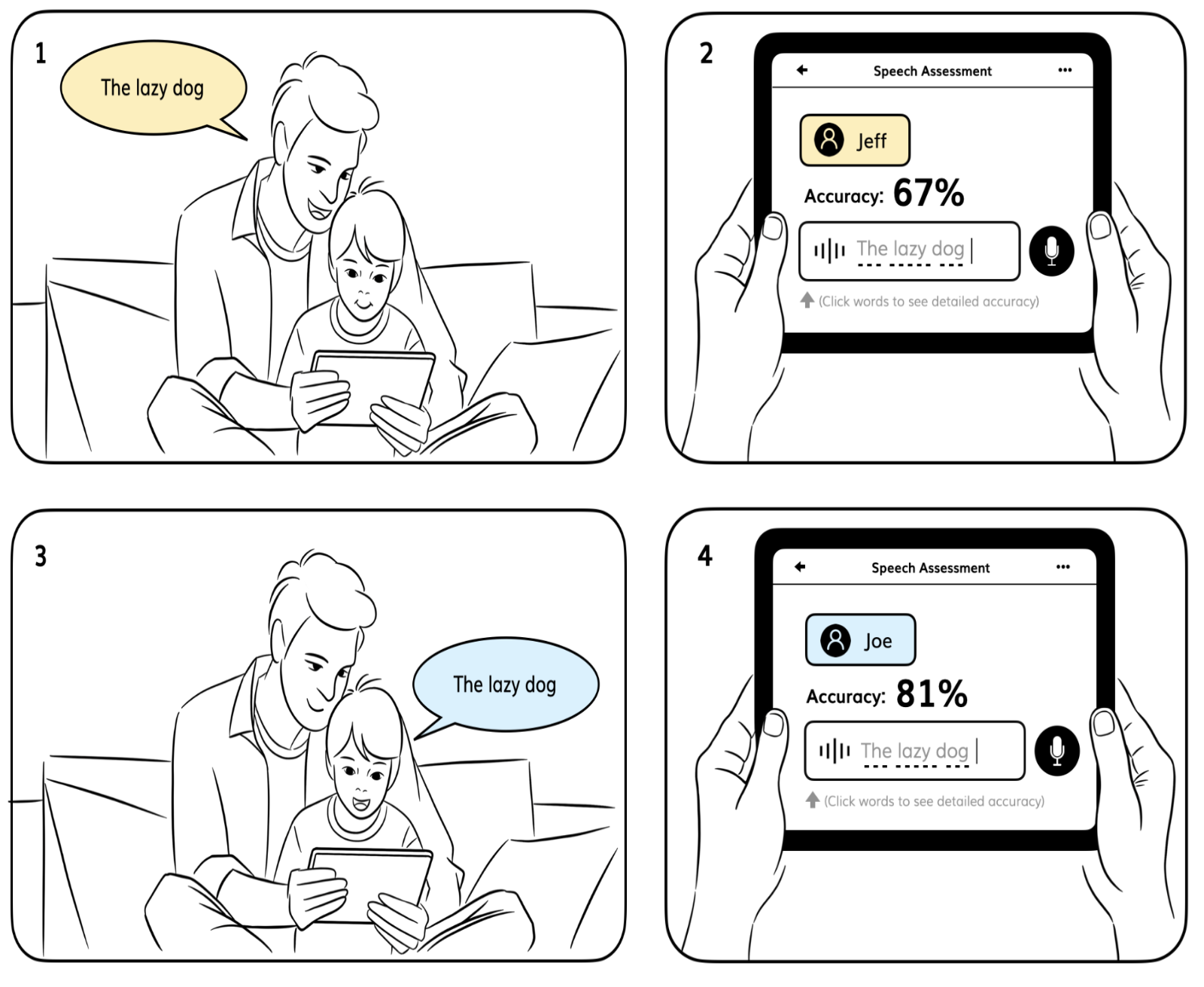
Parents of children in speech therapy play a crucial role in delivering consistent, high-quality home practice, which is essential for helping children generalize new speech skills to everyday situations. However, this responsibility is often complicated by uncertainties in implementing therapy techniques and keeping children engaged. In this study, we explore how varying levels of AI oversight can provide informational, emotional, and practical support to parents during home speech therapy practice. Through semi-structured interviews with 20 parents, we identified key challenges they face and their ideas for AI assistance. Using these insights, we developed six design concepts, which were then evaluated by 20 Speech-Language Pathologists (SLPs) for their potential impact, usability, and alignment with therapy goals. Our findings contribute to the discourse on AI’s role in supporting therapeutic practices, offering …
Exploring AI-Based Support in Speech-Language Pathology for Culturally and Linguistically Diverse Children
Speech-language pathologists (SLPs) provide support to children with speech and language difficulties through delivering evaluation, assessment, and interventions. Despite growing research on how Artificial Intelligence (AI) can support SLPs, there is limited research examining how AI can assist SLPs in delivering equitable care to culturally and linguistically diverse (CLD) children with disabilities. Through interviews with 15 SLPs and a two-part survey study with 13 SLPs, we report on SLP challenges in delivering responsive care to CLD children with disabilities (i.e., unrepresentative materials, unreliable translation, insufficient support for language variations), areas for AI-based support, evaluations of how available AI performs in addressing these challenges, and bias assessments of AI-generated materials. We discuss implications of contextually unaware AI, the range of care in AI-prompting, tensions and …
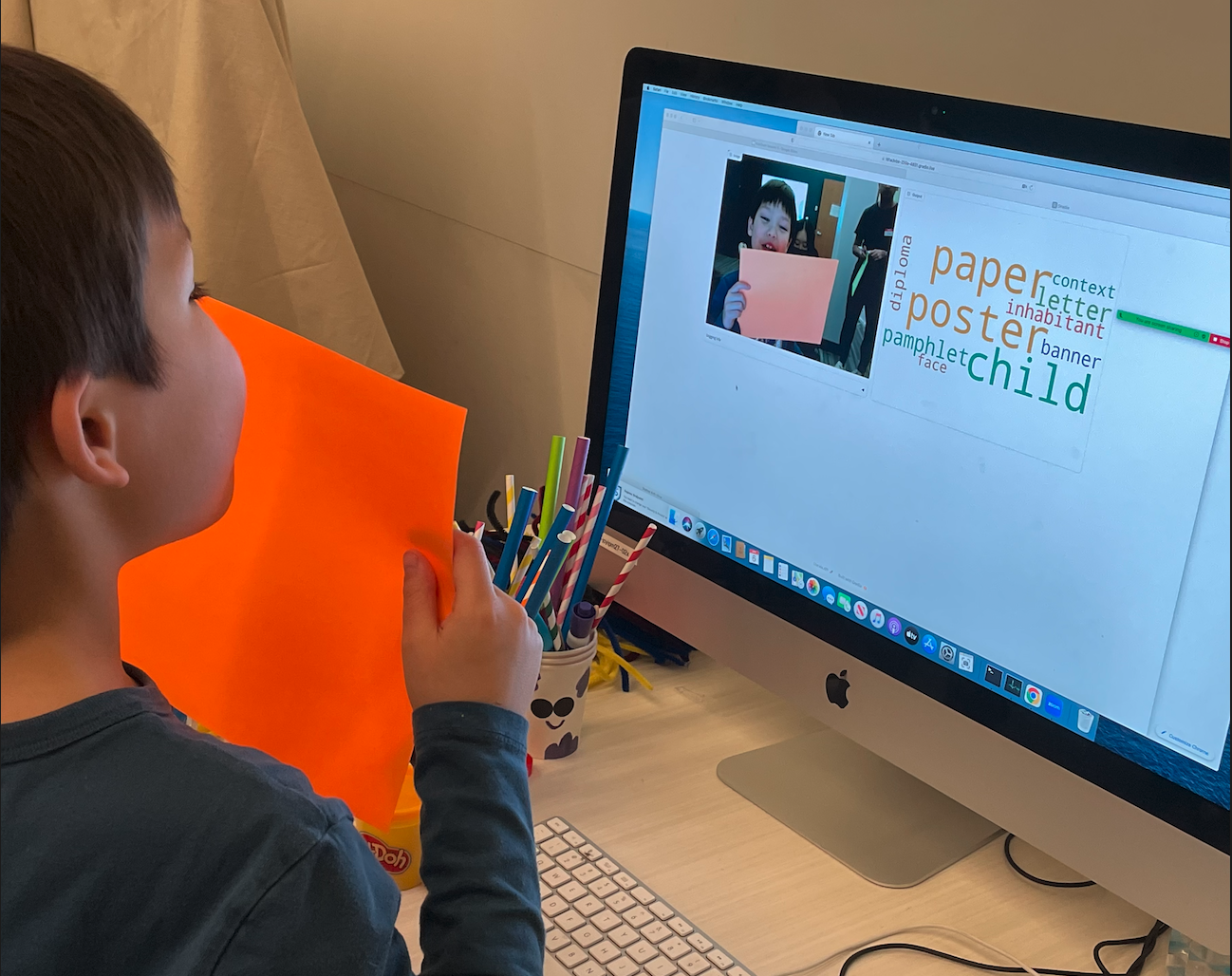
AI just keeps guessing”: Using ARC Puzzles to Help Children Identify Reasoning Errors in Generative AI
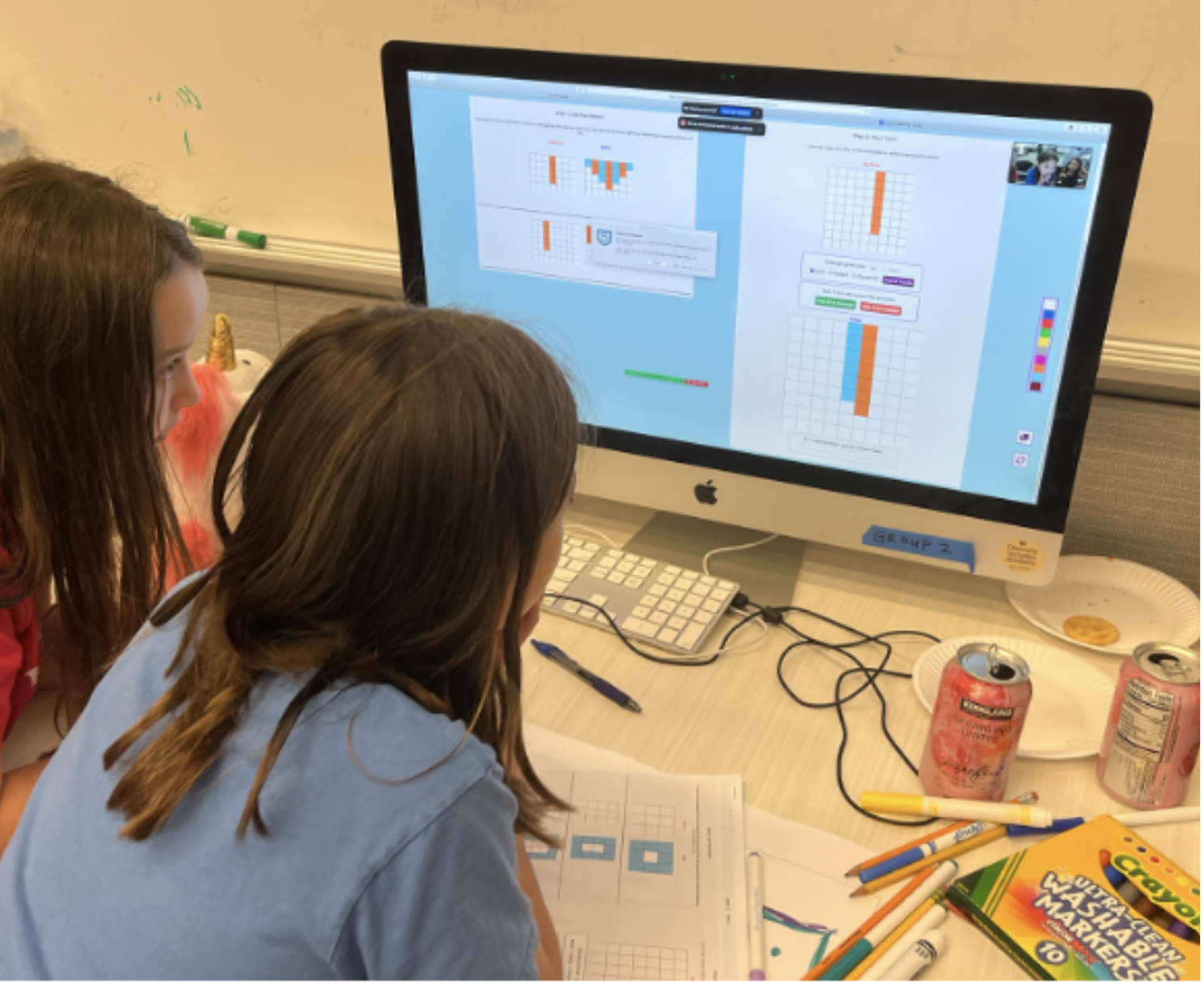
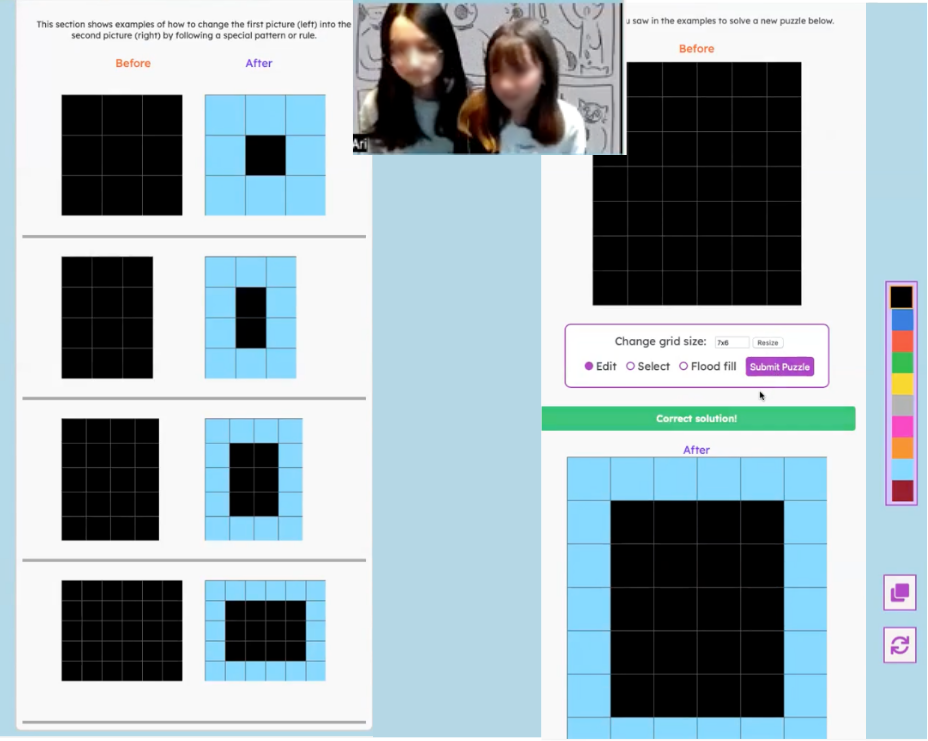
The integration of generative Artificial Intelligence (genAI) into everyday life raises questions about the competencies required to critically engage with these technologies. Unlike visual errors in genAI, textual mistakes are often harder to detect and require specific domain knowledge. Furthermore, AI’s authoritative tone and structured responses can create an illusion of correctness, leading to overtrust, especially among children. To address this, we developed AI Puzzlers, an interactive system based on the Abstraction and Reasoning Corpus (ARC), to help children identify and analyze errors in genAI. Drawing on Mayer & Moreno’s Cognitive Theory of Multimedia Learning, AI Puzzlers uses visual and verbal elements to reduce cognitive overload and support error detection. Based on two participatory design sessions with 21 children (ages 6 - 11), our findings provide both design insights and an empirical …
Children's Mental Models of AI Reasoning: Implications for AI Literacy Education
As artificial intelligence (AI) advances in reasoning capabilities, most recently with the emergence of Large Reasoning Models (LRMs), understanding how children conceptualize AI’s reasoning processes becomes critical for fostering AI literacy. While one of the “Five Big Ideas” in AI education highlights reasoning algorithms as central to AI decision-making, less is known about children’s mental models in this area. Through a two-phase approach, consisting of a co-design session with 8 children followed by a field study with 106 children (grades 3 - 8), we identified three models of AI reasoning: Deductive , Inductive , and Inherent . Our findings reveal that younger children (grades 3 - 5) often attribute AI’s reasoning to inherent intelligence, while older children (grades 6 - 8) recognize AI as a pattern recognizer. We highlight three tensions that surfaced in children’s understanding of AI reasoning and conclude with …
"If anybody finds out you are in BIG TROUBLE": Understanding Children's Hopes, Fears, and Evaluations of Generative AI
As generative artificial intelligence (genAI) increasingly mediates how children learn, communicate, and engage with digital content, understanding children's hopes and fears about this emerging technology is crucial. In a pilot study with 37 fifth-graders, we explored how children (ages 9-10) envision genAI and the roles they believe it should play in their daily life. Our findings reveal three key ways children envision genAI: as a companion providing guidance, a collaborator working alongside them, and a task automator that offloads responsibilities. However, alongside these hopeful views, children expressed fears about overreliance, particularly in academic settings, linking it to fears of diminished learning, disciplinary consequences, and long-term failure. This study highlights the need for child-centric AI design that balances these tensions, empowering children with the skills to critically engage with and navigate their evolving relationships with digital technologies.
Beyond Users: Supporting Children in Interpreting, Resisting, and Collaborating with AI
This doctoral consortium paper outlines a research agenda on supporting children in interpreting, resisting, and collaborating with AI systems, with implications for AI literacy education and child-centered design.
Doors, Decisions, and Discovery: An Interactive Smart Door Lock System to Promote Children’s Understanding of AI Classification
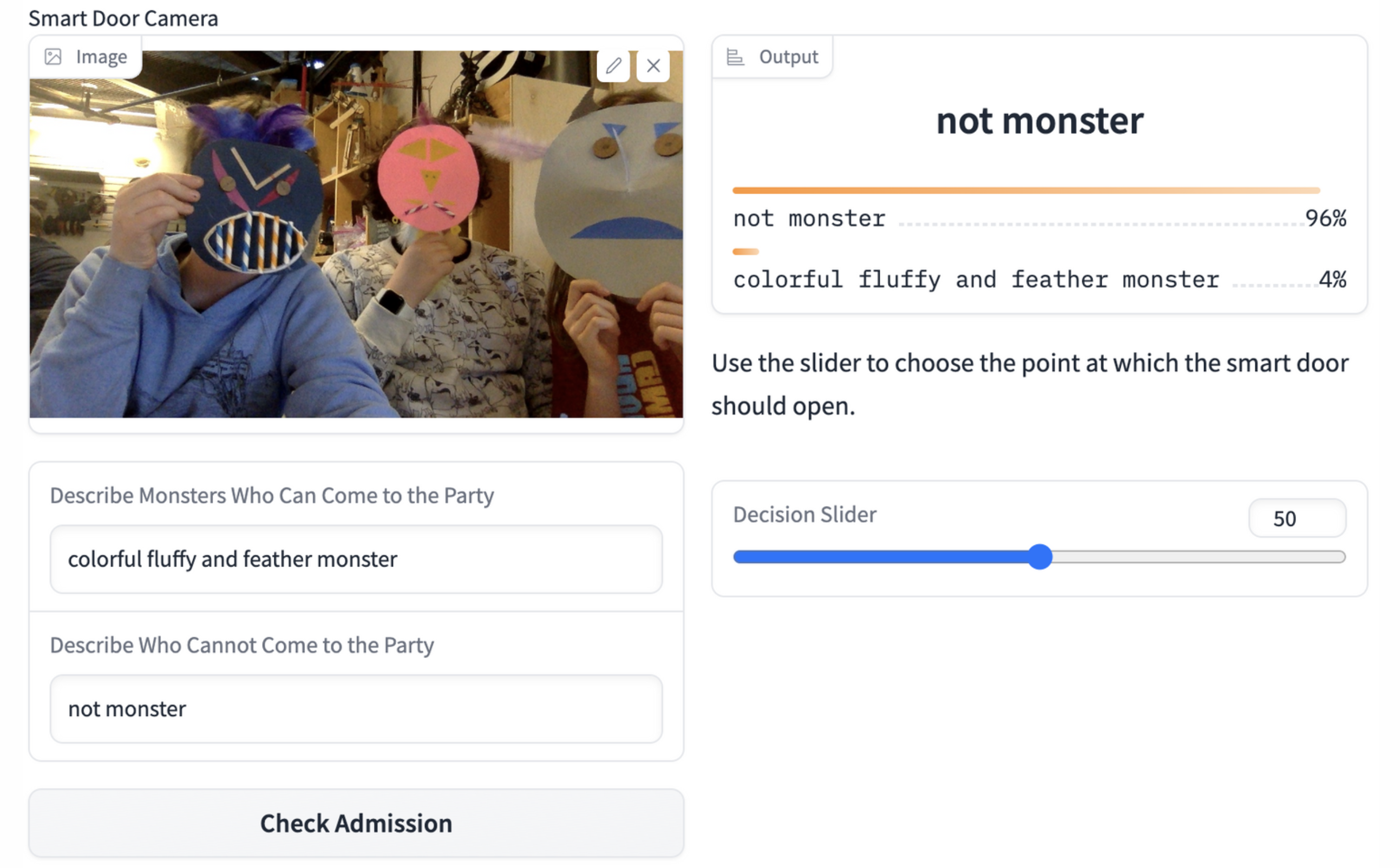
Understanding AI’s decision-making process is essential for children as they navigate a world increasingly influenced by AI-driven technologies. Despite frequently interacting with AI-powered systems, children often have limited knowledge about how these systems make classification decisions. We present AI-Smartlock, an educational platform designed to teach young learners about the various parameters that influence AI classification, including classification rules, confidence scores, and decision thresholds. Through image classification tasks that simulate a smart door lock, children can interactively explore these parameters. This paper describes how we designed the system and our results from a participatory design session with a group of seven children (ages 7-12).
Reading AI and Reading the World: Using an Interactive AI System to Promote Children's Understanding of AI Bias
This paper presents an interactive AI system designed to help children develop understanding of AI bias by connecting machine classification to broader literacy practices of reading the world.
2024
Dataset Scale and Societal Consistency Mediate Facial Impression Bias in Vision-Language AI
Multimodal AI models capable of associating images and text hold promise for numerous domains, ranging from automated image captioning to accessibility applications for blind and low-vision users. However, uncertainty about bias has in some cases limited their adoption and availability. In the present work, we study 43 CLIP vision-language models to determine whether they learn human-like facial impression biases, and we find evidence that such biases are reflected across three distinct CLIP model families. We show for the first time that the the degree to which a bias is shared across a society predicts the degree to which it is reflected in a CLIP model. Human-like impressions of visually unobservable attributes, like trustworthiness and sexuality, emerge only in models trained on the largest dataset, indicating that a better fit to uncurated cultural data results in the reproduction of increasingly subtle social biases. Moreover, we use a hierarchical clustering approach to show that dataset size predicts the extent to which the underlying structure of facial impression bias resembles that of facial impression bias in humans. Finally, we show that Stable Diffusion models employing CLIP as a text encoder learn facial impression biases, and that these biases intersect with racial biases in Stable Diffusion XL-Turbo. While pretrained CLIP models may prove useful for scientific studies of bias, they will also require significant dataset curation when intended for use as general-purpose models in a zero-shot setting.
Representation Bias of Adolescents in AI: A Bilingual, Bicultural Study
Popular and news media often portray teenagers with sensationalism, as both a risk to society and at risk from society. As AI begins to absorb some of the epistemic functions of traditional media, we study how teenagers in two countries speaking two languages: 1) are depicted by AI, and 2) how they would prefer to be depicted. Specifically, we study the biases about teenagers learned by static word embeddings (SWEs) and generative language models (GLMs), comparing these with the perspectives of adolescents living in the US and Nepal. We find English-language SWEs associate teenagers with societal problems, and more than 50% of the 1,000 words most associated with teenagers in the pretrained GloVe SWE reflect such problems. Given prompts about teenagers, 30% of outputs from GPT2-XL and 29% from LLaMA-2-7B GLMs discuss societal problems, most commonly violence, but also drug use, mental illness, and sexual taboo. Nepali models, while not free of such associations, are less dominated by social problems. Data from workshops with N= 13 US adolescents and N= 18 Nepalese adolescents show that AI presentations are disconnected from teenage life, which revolves around activities like school and friendship. Participant ratings of how well 20 trait words describe teens are decorrelated from SWE associations, with Pearson's rho=. 02, ns in English FastText and rho=. 06, ns GloVe; and rho=. 06, ns in Nepali FastText and rho=-. 23, ns in GloVe. US participants suggested AI could fairly present teens by highlighting diversity, while Nepalese participants centered positivity. Participants were optimistic that, if it learned from …
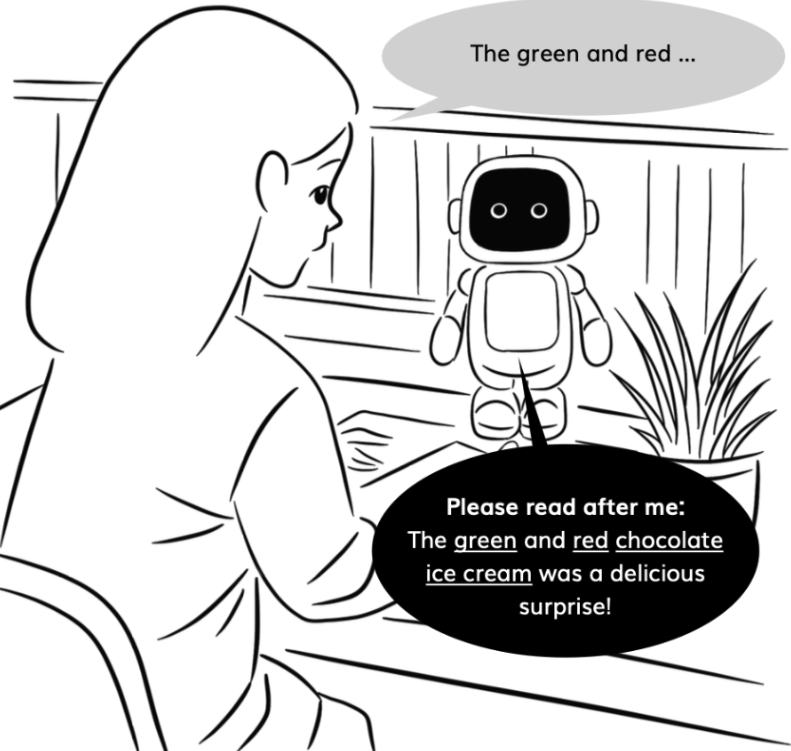
AI-Driven Support for People with Speech & Language Difficulties
Speech and language difficulties present significant challenges to effective communication, impacting individuals’ ability to express themselves and engage in meaningful interactions. Recent advances in AI technologies, particularly in natural language processing (NLP) and machine learning, have the potential to assist individuals with speech and language difficulties in improving their communication outcomes. However, given the probabilistic nature of AI models, there is a need to adopt and advance human-centered AI design methodologies to support the prototyping of AI user experiences. This Special Interest Group (SIG) aims to bring together researchers, practitioners, and designers from the fields of AI, accessibility, speech pathology, AI ethics, and HCI to facilitate high-level discussions around designing and evaluating reliable, safe, and human-centered AI-driven support and interventions for supporting …
Opportunities and Challenges for AI-based Support for Speech-Language Pathologists
Speech-Language Pathologists (SLPs) are professionals who work with children and adults in the prevention, assessment, diagnosis, and intervention for speech, language, and communication difficulties. This research investigates the experiences and perceptions of SLPs regarding the potential for Artificial Intelligence (AI) technologies to support their work. Through a series of three studies, including an online survey, an Asynchronous Remote Community (ARC), and an observation of online communities, we comprehensively explored the challenges faced by SLPs and identified areas where AI-based technologies can offer support. This paper addresses four key areas: 1) the reported needs, constraints, and challenges faced by SLPs in their work, 2) the current perspectives of SLPs on AI and technology, 3) the adoption of AI-based tools by SLPs since the release of advanced generative AI technologies, and 4 …
Mediating Culture: Cultivating Socio-cultural Understanding of AI in Children through Participatory Design
The surge in access to and awareness of Generative Artificial Intelligence (GenAI) such as ChatGPT has sparked discussion over the necessary technological literacies and competencies needed to effectively engage with these systems. In this context, we explore AI as a tool that mediates cultural understanding and remediates human values – that are often influenced by biases and inequities. Using participatory design for learning with a group of 13 children (ages 8-13), we engaged in five co-design sessions featuring different modalities for socio-cultural approaches to AI literacy. We found that children were more aware of the cultural mediation aspect of AI when the content of the interaction aligned with their cultural background and context. This underscored the significance of aligning the representation of culture in these GenAI systems with people’s socio-cultural ecosystems in modern technological …
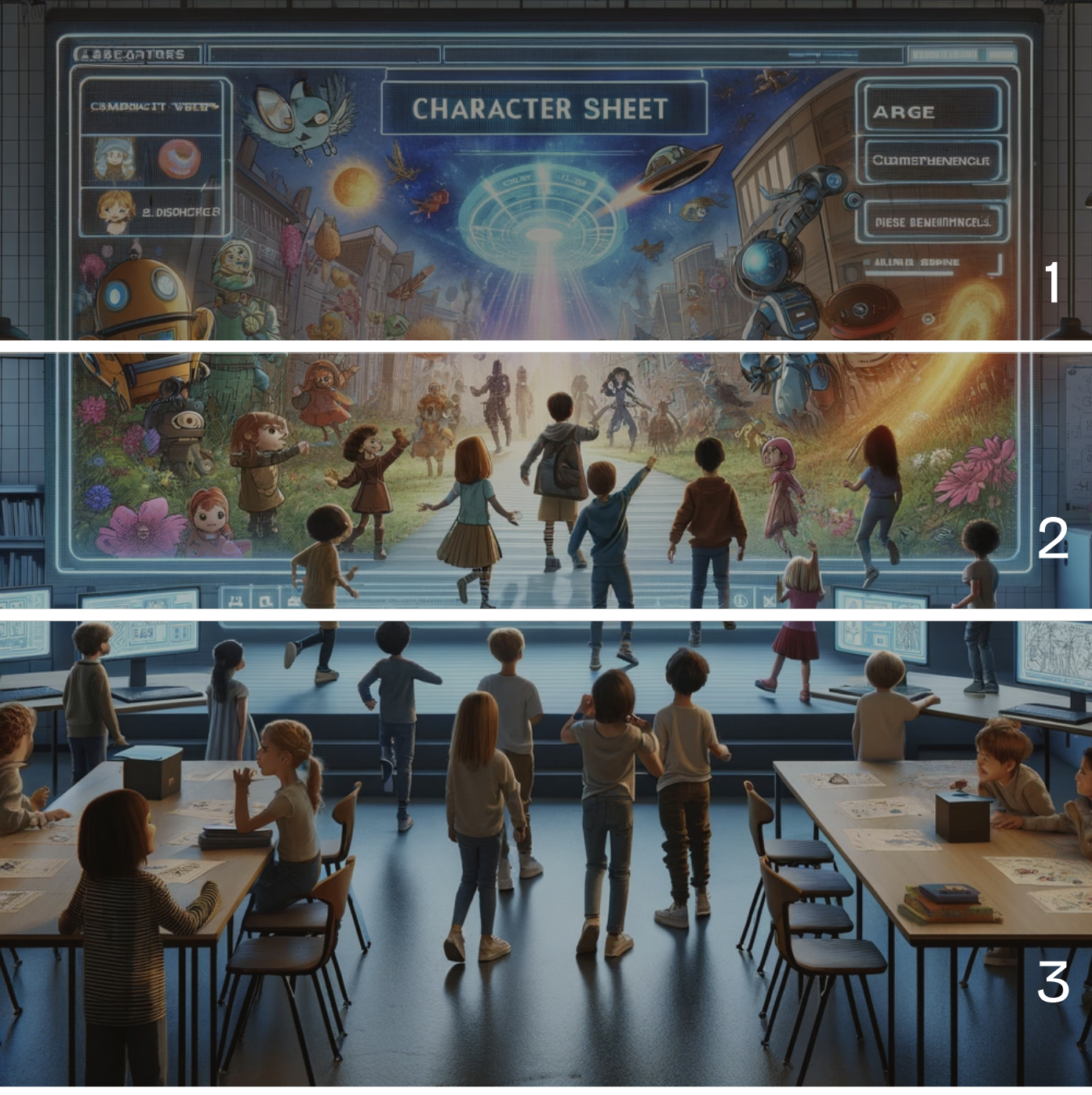
Togethertales RPG: Prosocial skill development through digitally mediated collaborative role-playing
"TogetherTales RPG" is an augmented reality (AR) platform designed for children aged 4 to 6, aiming to foster prosocial behavior through interactive and collaborative role-playing. TogetherTales RPG is inspired by children’s design ideas related to technology supported social inclusion and prosocial skill development, a theme prevalent in children’s submissions in light of pandemic socialization restrictions. TogetherTales RPG integrates classic tabletop role-playing game mechanics with advanced AI and AR technologies to immerses children in a narrative-driven world where their personalized avatars interact with virtual elements and collaborate with peers to solve challenges. This blend of imaginative role-play and real-world social interaction facilitates prosocial skill development in a fun, engaging, and developmentally appropriate way.
2023
Constructionist approaches to critical data literacy: A review
Increased technological capacity to collect and use data has created both new possibilities for benefiting individuals and societies, and critical questions of what is acceptable and just [31]. Because early definitions of data literacy have often excluded aspects of power, equity, empowerment, and emancipation, children’s learning experiences have focused more on the potential benefits compared to the critical questions. In this review article, we examine the importance of teaching critical data literacy to children as a key aspect of developing fluency with data. Using constructionist principles [67] as a guiding framework, we synthesize 48 educational research and design approaches that engage youth with data projects. We describe how these projects provide students with information about data’s origins and perspectives, and assist them in identifying, analyzing, and presenting data. Finally, we provide design …
Concepts, practices, and perspectives for developing computational data literacy: Insights from workshops with a new data programming system
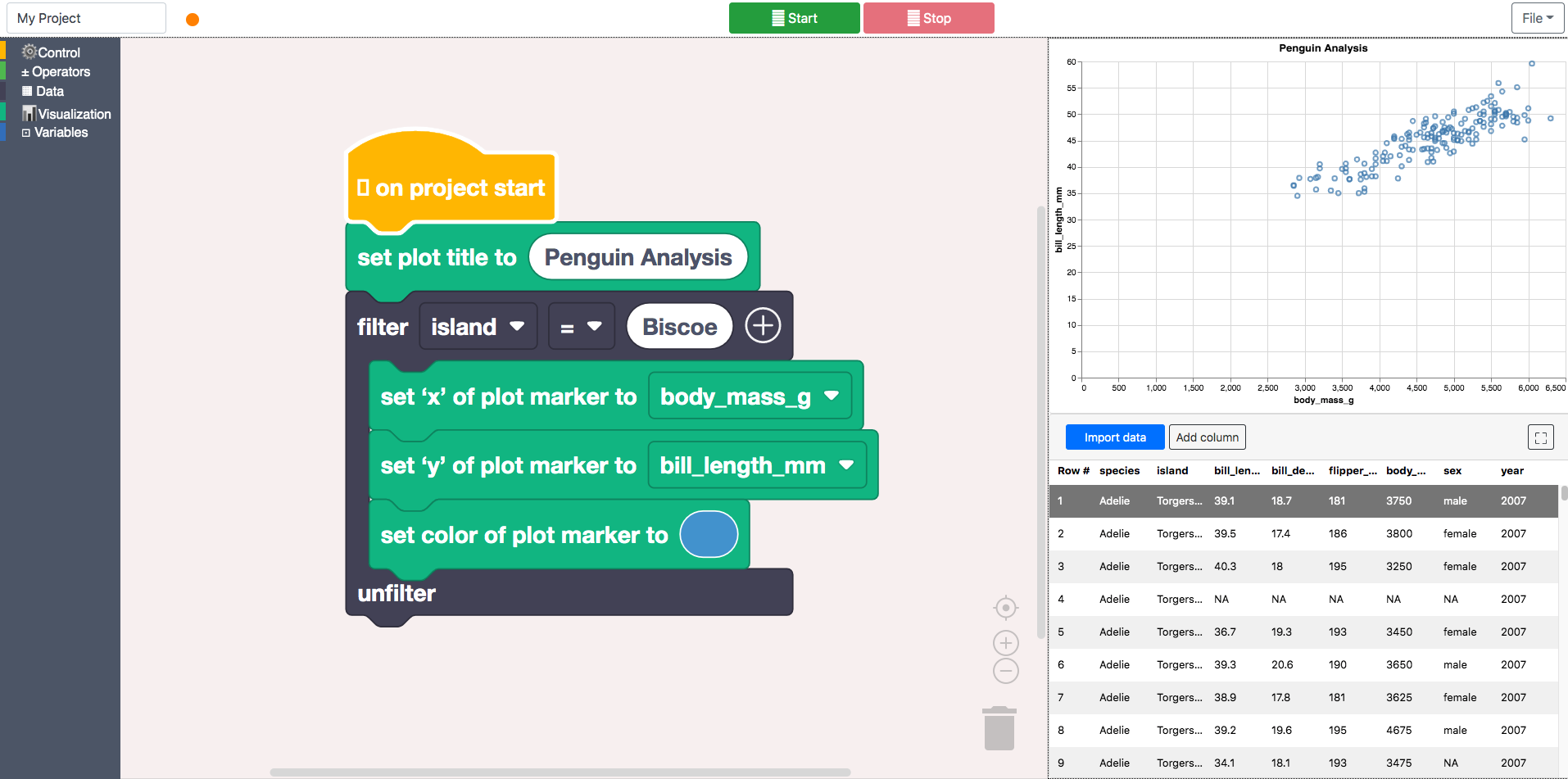
In this paper, we present a new visual block-based programming system designed for children to process, analyze, and visualize data. We introduce the system and describe how it was used during a series of 7 workshops with 27 children. During the workshops, children played the role of investigators and followed a storyline as part of the system to conduct data analyses to help the story’s protagonist locate a missing family member. We present our findings as a framework of computational data literacy that builds on the dimensions of Computational Thinking proposed by Brennan and Resnick [8], with a focus on aspects that are specific to using programming for data processing, analysis, and visualization. We conclude with a series of recommendations for future designers of systems to support the development of computational data literacy.